
Proudly Serving Our Clients
Handling Family Law, Bankruptcy,
Criminal Defense, and
Probate Matters
Criminal Defense, and
Probate Matters
The United States Bankruptcy Code provides immediate relief for individuals facing financial difficulty. Bankruptcy can eliminate most debts or allow a person to restructure the debt in a manner where they can regain control of their finances. Filing a Bankruptcy petition immediately stops all attempts by creditors to collect on any debts. Chapter 7 and Chapter 13 of the United States Bankruptcy Code are therefore powerful tools designed to protect individuals from foreclosure, law suits, wage garnishments, and bank levies. Thousands of Sacramento area residents have turned to the Bankruptcy code for protection and used the law as an effective means to eliminate overwhelming credit card debt, medical bills, and unsecured second mortgages from their homes in Chapter 13.
Sacramento residents dealing with extreme credit card debt, medical bills, foreclosures, lawsuits, business losses, and a host of other credit and debt problems usually start by considering filing Chapter 7 with a Sacramento Bankruptcy Attorney.
Chapter 7 or Straight Bankruptcy is governed by Title 11 of the United States Code. Chapter 7 outlines the liquidation process under American bankruptcy law and is the most common bankruptcy filed in the country. Chapter 7 is available to both individuals and businesses alike and eliminates most of not all of your debt. This is what most people imagine when they hear the word bankruptcy.
In a Chapter 7 bankruptcy case the bankruptcy trustee takes control of the debtor’s property and liquidates any assets in order to pay the debtor’s creditors. The liquidation process is subject to specific exemptions that apply to a debtor, which are defined by state law. When property falls under one of the specific exemptions that property becomes off–limits to the trustee and is retained by the debtor. Many California exemptions apply to a person’s personal possessions, home, and vehicle.
The moment a debtor files his or her bankruptcy petition the court issues an Automatic Stay, which prevents all creditor’s from pursuing any balances owed from the debtor. This means all foreclosure sales are stopped, collections are halted, and the status quo is maintained.
Once the bankruptcy petition has been reviewed by the trustee and judge, and enough time has passed for any creditor to object to the discharge of debt, the court will order all of the debtor’s debts to be wiped out forever. After discharge, the debtor has no obligation to repay those debts; they simply disappear. The process is often completed within four months and the debtor is typically only required to attend court once. The discharge gives the debtor an economic fresh start and allows him or her to begin to rebuild his financial life again. This option, however, is only available to a debtor once every 8 years.
Please call one of our Sacramento bankruptcy attorneys today to discuss whether filing Chapter 7 is best for you.
Chapter 13 or “debtor reorganization” is governed by Title 11 of the United States Code. The choice to file between Chapter 13 and Chapter 7 is largely determined by the individual’s financial circumstances and ability to pay creditors over an extended period of time.
Under Chapter 13 bankruptcy an individual debtor proposes to pay his/her debts over a three or five year period by submitting a detailed financial plan to the bankruptcy court. Unlike Chapter 7, the debtor does not have to hand over any property to the court. The “payment plan” outlines the financial transactions to occur between the debtor and creditors over the life of the plan and the debtor must prove that they can continue to make the payments for the extended period of time. The plan cannot be objected to by any creditors and must either repay all creditors in full or commit all of the debtor’s disposable income to the plan throughout the lifetime of the plan. During the repayment period creditors can only collect on the debts approved by the court and cannot foreclose on any property owned by the debtor, contained in the plan, so long as the plan is in existence.
Once the debtor’s repayment plan has been completed, all remaining debts are discharged by the bankruptcy court. Chapter 13 is not available to everyone as eligibility depends on a number of independent circumstances.
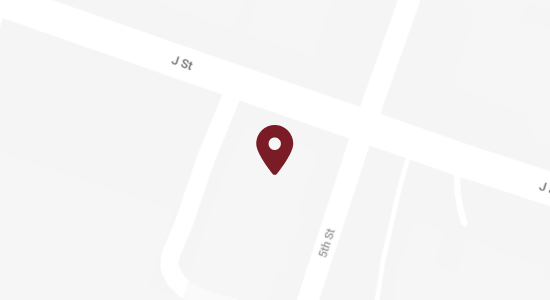
Serving the greater Sacramento Area.
 Call Us at (916) 361-6028
  Se Habla Español
  Proudly Serving Our Clients